Dr. Harshlata

October 1, 2026

Female Fertility & Health

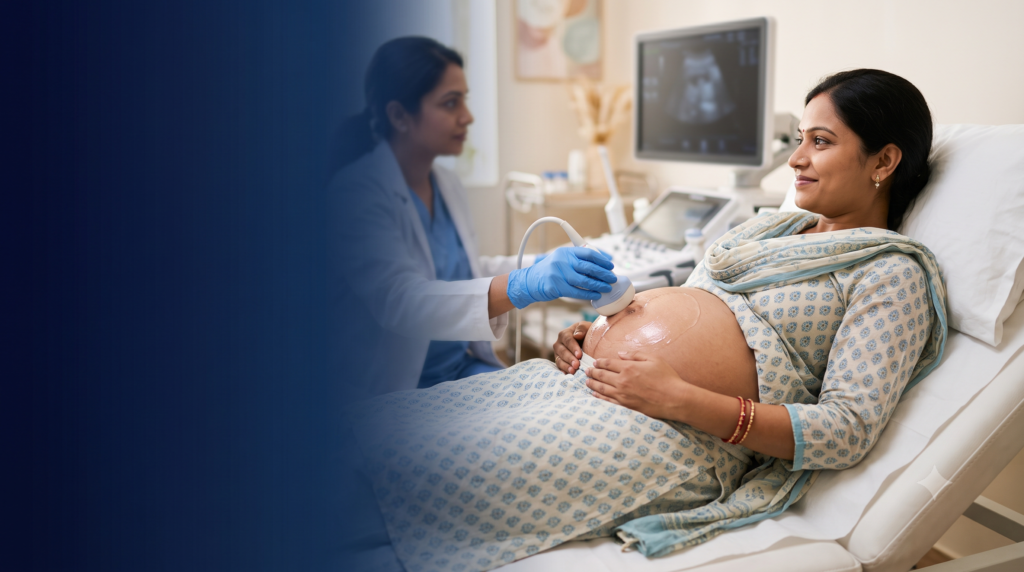
High-Risk Pregnancy After IVF: What Monitoring Actually Involves

Read More Hearing the words “high-risk pregnancy” after months of IVF can feel like another hurdle just when you expected to relax. But for most IVF pregnancies, “high-risk” doesn’t mean something is wrong — it means your care team is watching more closely, more often, and earlier than they would for a pregnancy conceived naturally.

High-Risk Pregnancy After IVF: What Monitoring Actually Involves Read Post »

Female Fertility & Health

Egg Freezing in India: Best Age, Process and What the Law Allows

Read More Egg freezing used to be a quiet, mostly medical decision — something offered to women before chemotherapy. Today it’s a mainstream conversation, driven as much by career timelines and personal readiness as by medical need. But in India, that conversation comes with two separate questions tangled together: what does the science say about

Egg Freezing in India: Best Age, Process and What the Law Allows Read Post »

Female Fertility & Health

PGT Testing: Who Needs It and What It Costs

Read More Preimplantation genetic testing (PGT) has moved from a niche add-on to a mainstream conversation in Indian IVF clinics — but it isn’t automatically right for every patient. PGT doesn’t improve an embryo’s quality; it simply identifies which embryos are genetically normal, so the strongest candidate can be transferred first. For some couples, that

PGT Testing: Who Needs It and What It Costs Read Post »

Female Fertility & Health

Beta hCG Levels After Embryo Transfer: Chart and What Numbers Mean

Read More The beta hCG blood test is usually the first real number you get after an embryo transfer — and it’s tempting to compare it against every chart you can find online. Here’s the honest answer before anything else: there is no single “normal” hCG number for a given day. Values vary enormously between

Beta hCG Levels After Embryo Transfer: Chart and What Numbers Mean Read Post »

Scroll to Top