Dr. Harshlata
Female Fertility & Health

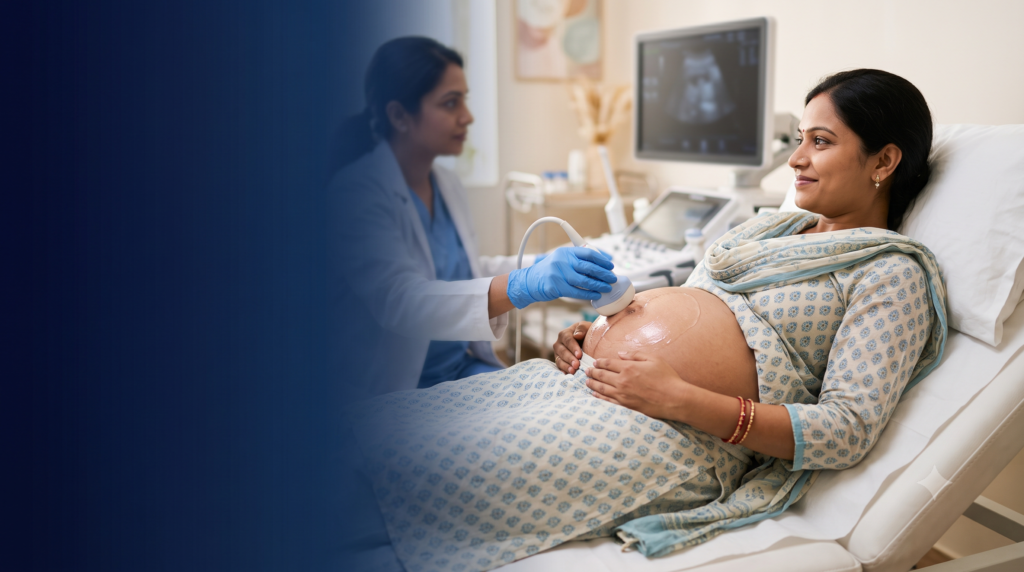
High-Risk Pregnancy After IVF: What Monitoring Actually Involves

Read More Hearing the words “high-risk pregnancy” after months of IVF can feel like another hurdle just when you expected to relax. But for most IVF pregnancies, “high-risk” doesn’t mean something is wrong — it means your care team is watching more closely, more often, and earlier than they would for a pregnancy conceived naturally.

High-Risk Pregnancy After IVF: What Monitoring Actually Involves Read Post »

Female Fertility & Health

Egg Freezing in India: Best Age, Process and What the Law Allows

Read More Egg freezing used to be a quiet, mostly medical decision — something offered to women before chemotherapy. Today it’s a mainstream conversation, driven as much by career timelines and personal readiness as by medical need. But in India, that conversation comes with two separate questions tangled together: what does the science say about

Egg Freezing in India: Best Age, Process and What the Law Allows Read Post »

Female Fertility & Health

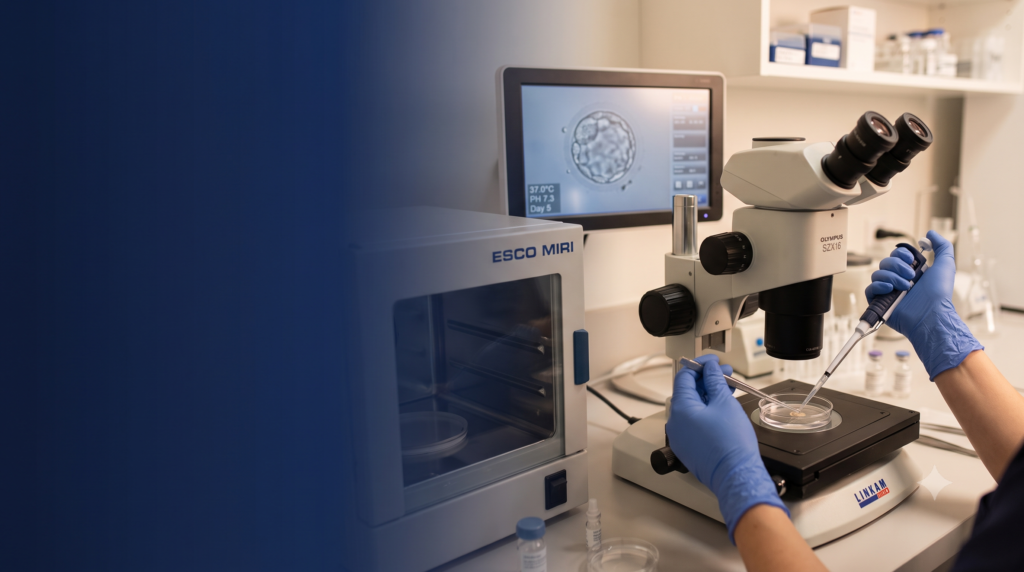
PGT Testing: Who Needs It and What It Costs

Read More Preimplantation genetic testing (PGT) has moved from a niche add-on to a mainstream conversation in Indian IVF clinics — but it isn’t automatically right for every patient. PGT doesn’t improve an embryo’s quality; it simply identifies which embryos are genetically normal, so the strongest candidate can be transferred first. For some couples, that

PGT Testing: Who Needs It and What It Costs Read Post »

Female Fertility & Health

Beta hCG Levels After Embryo Transfer: Chart and What Numbers Mean

Read More The beta hCG blood test is usually the first real number you get after an embryo transfer — and it’s tempting to compare it against every chart you can find online. Here’s the honest answer before anything else: there is no single “normal” hCG number for a given day. Values vary enormously between

Beta hCG Levels After Embryo Transfer: Chart and What Numbers Mean Read Post »

Female Fertility & Health

After Embryo Transfer: Do’s, Don’ts and an Indian Diet Chart

Read More You walk out of the clinic after your embryo transfer, and suddenly every small decision feels loaded — what to eat, how to sit, whether that twinge meant something. No single food or activity decides whether implantation happens; genetics, embryo quality, and uterine receptivity do most of that work. But what you eat

After Embryo Transfer: Do’s, Don’ts and an Indian Diet Chart Read Post »

Female Fertility & Health

IUI vs IVF vs ICSI: Which One Do You Actually Need?

Read More Three acronyms, three very different procedures, and one confusing overlap in what they’re actually for. IUI, IVF, and ICSI get used almost interchangeably in casual conversation, but they sit at different points on the fertility treatment ladder — and which one is right for you depends far more on your specific diagnosis than

IUI vs IVF vs ICSI: Which One Do You Actually Need? Read Post »

Female Fertility & Health

Persistent Müllerian Duct Syndrome: A Rare Cause of Male Infertility

Read More Some fertility diagnoses come with warning signs. Persistent Müllerian duct syndrome (PMDS) usually doesn’t — it’s often discovered by accident, during a routine hernia repair or an infertility work-up, in a man who has otherwise developed completely typically. It’s rare, but understanding it matters, because it changes how surgery and fertility planning need

Persistent Müllerian Duct Syndrome: A Rare Cause of Male Infertility Read Post »

Scroll to Top